Research

Pollution Solution

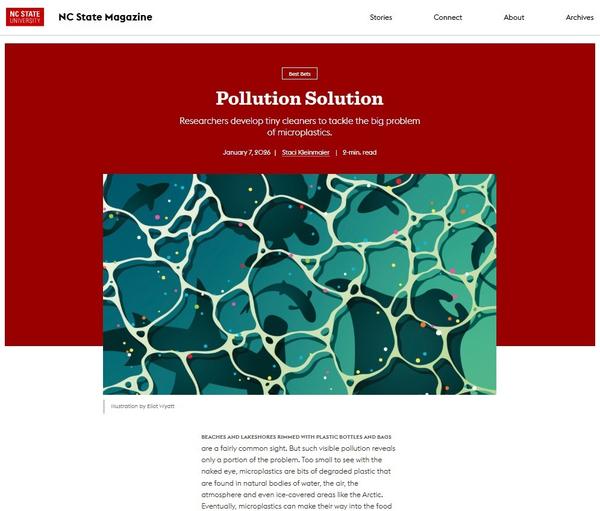
Beaches and lakeshores rimmed with plastic bottles and bags are a fairly common sight. But such visible pollution reveals only a portion of the problem. Too small to see with the naked eye, microplastics are bits of degraded plastic that are found in natural bodies of water, the air, the atmosphere and even ice-covered areas like the Arctic. Eventually, microplastics can make their way into the food supply. They are not immediately toxic, but “long-term accumulation in the human body is definite...
Field Work

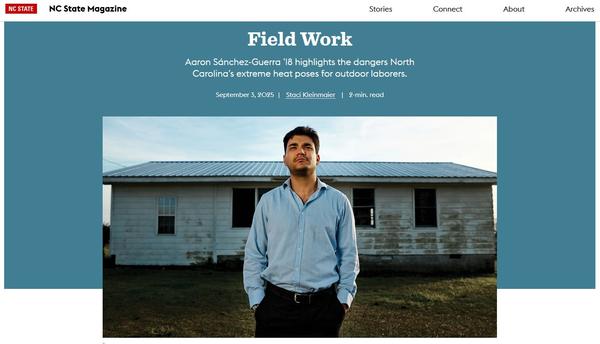
WUNC reporter Aaron Sánchez-Guerra ’18 was hired at North Carolina Public Radio in April 2024 to cover topics of race, class and communities. But he admits, “that’s a very vague and broad beat.” More specifically, he loves to talk to people and cover issues that he relates to. He is a native of the Rio Grande Valley, and he sees journalism as “a way to highlight issues that [are] underreported, that [are] marginalized, that are overlooked.”


As a student journalist Sánchez-Guerra interned with...

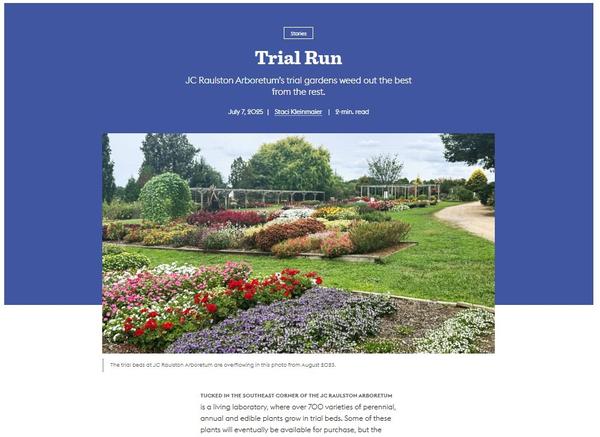
Coloring Outside the Lines

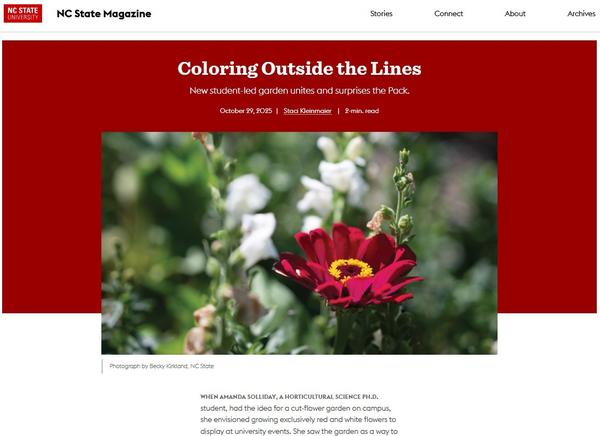
When Amanda Solliday, a horticultural science Ph.D. student, had the idea for a cut-flower garden on campus, she envisioned growing exclusively red and white flowers to display at university events. She saw the garden as a way to promote sustainability through local flower cultivation, offer students volunteer and leadership opportunities, and foster real-world skills. As the garden has progressed from idea to reality, it has accomplished nearly all of those goals.

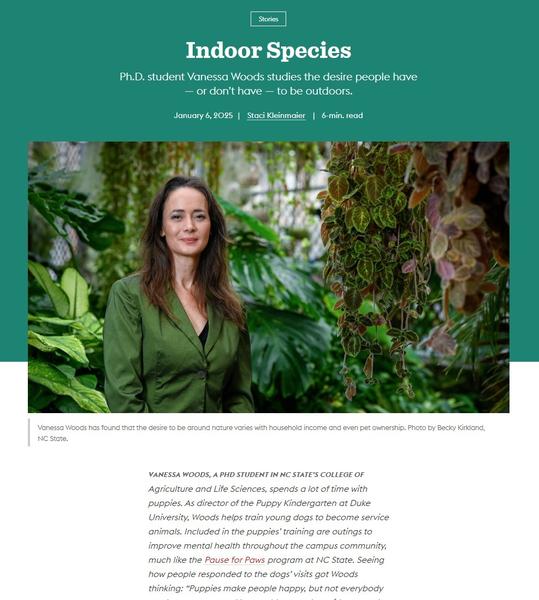
Indoor Species

Vanessa Woods, a PhD student in NC State’s College of Agriculture and Life Sciences, spends a lot of time with puppies. As director of the Puppy Kindergarten at Duke University, Woods helps train young dogs to become service animals. Included in the puppies’ training are outings to improve mental health throughout the campus community, much like the Pause for Paws program at NC State. Seeing how people responded to the dogs’ visits got Woods thinking: “Puppies make people happy, but not everybod...

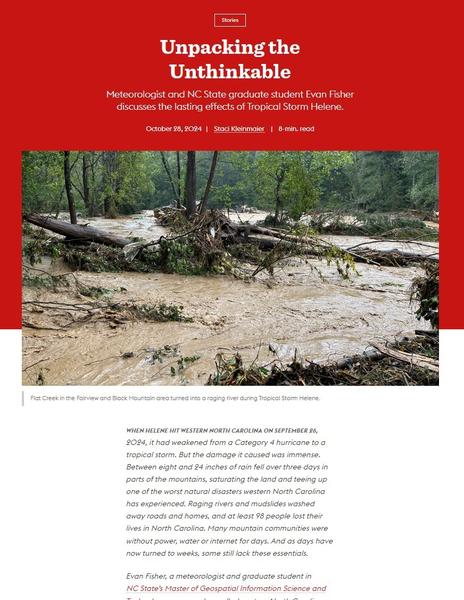
Unpacking the Unthinkable

When Helene hit western North Carolina on September 26, 2024, it had weakened from a Category 4 hurricane to a tropical storm. But the damage it caused was immense. Between eight and 24 inches of rain fell over three days in parts of the mountains, saturating the land and teeing up one of the worst natural disasters western North Carolina has experienced. Raging rivers and mudslides washed away roads and homes, and at least 98 people lost their lives in North Carolina. Many mountain communities...

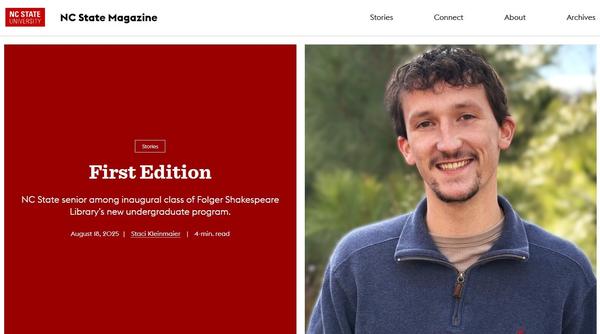
First Edition

Brennan Selcz spent the summer reading novels about the end of the world. He’s researching how post-World War II literature reflects people’s anxieties about atomic fallout. Though he started his time at NC State in STEM fields, Selcz, now beginning his senior year, is majoring in English and political science and applying both a scientific and humanist mindset to his research. “Science needs to be viewed as a humanistic endeavor,” he says. “We need to remember that what it’s doing is for the be...